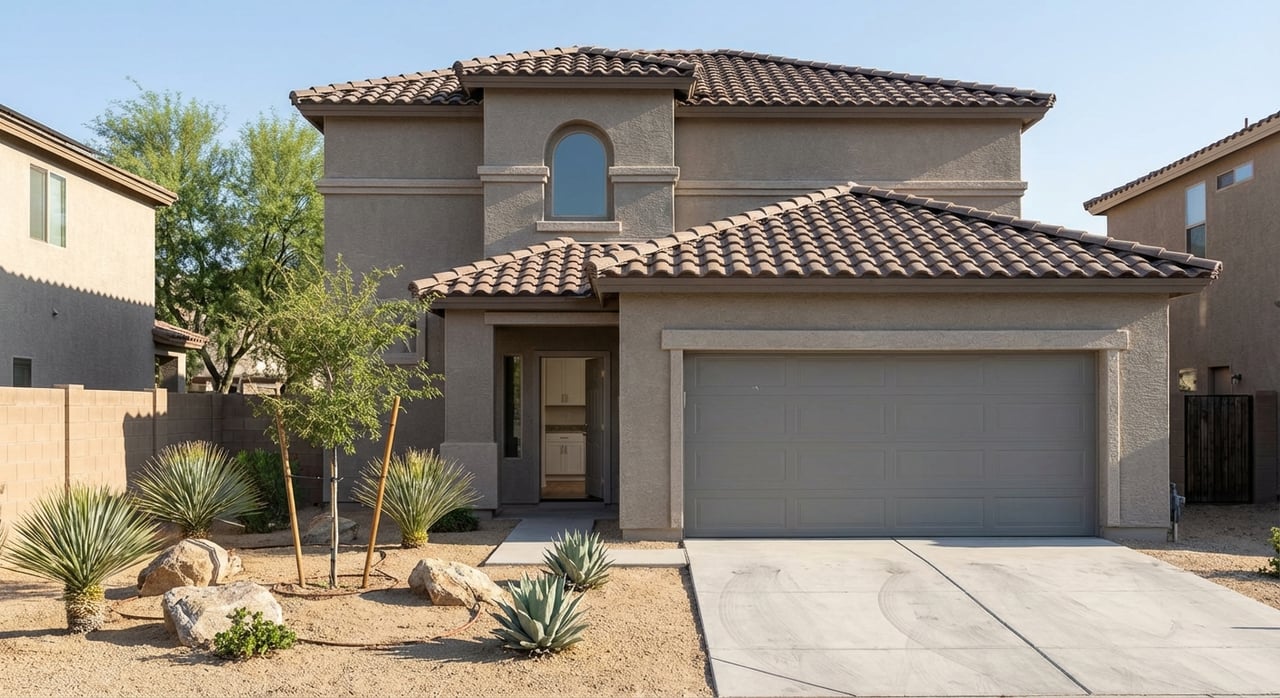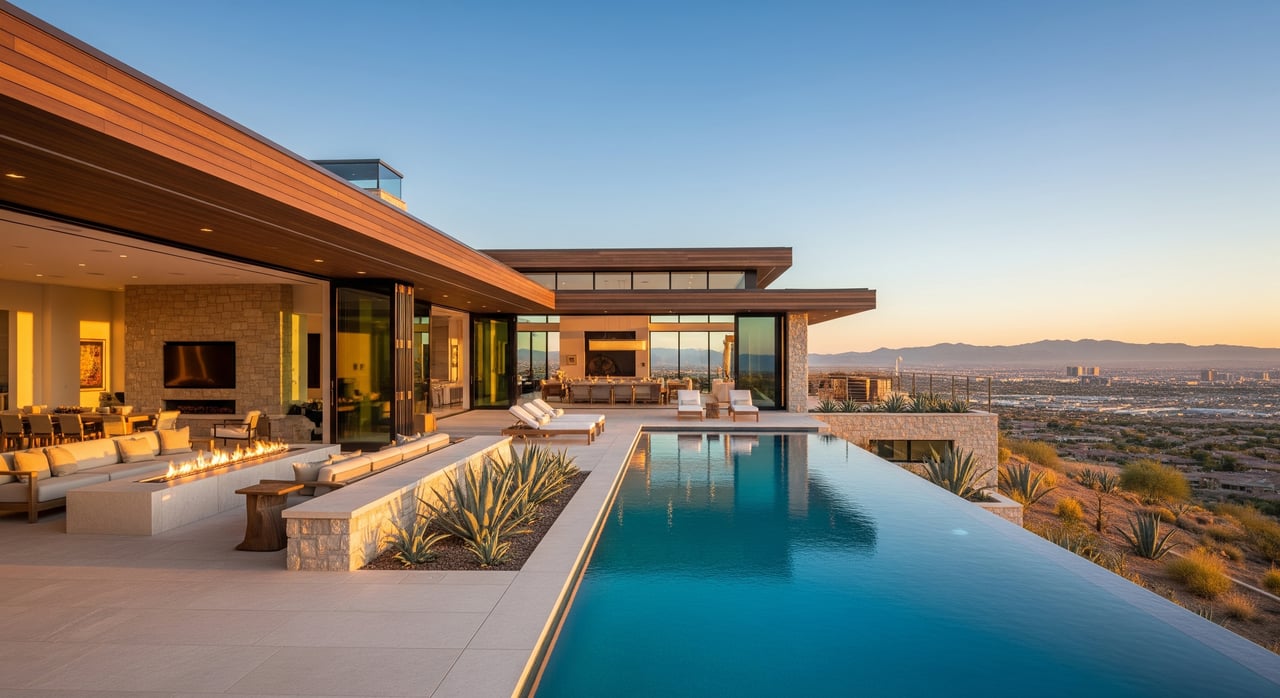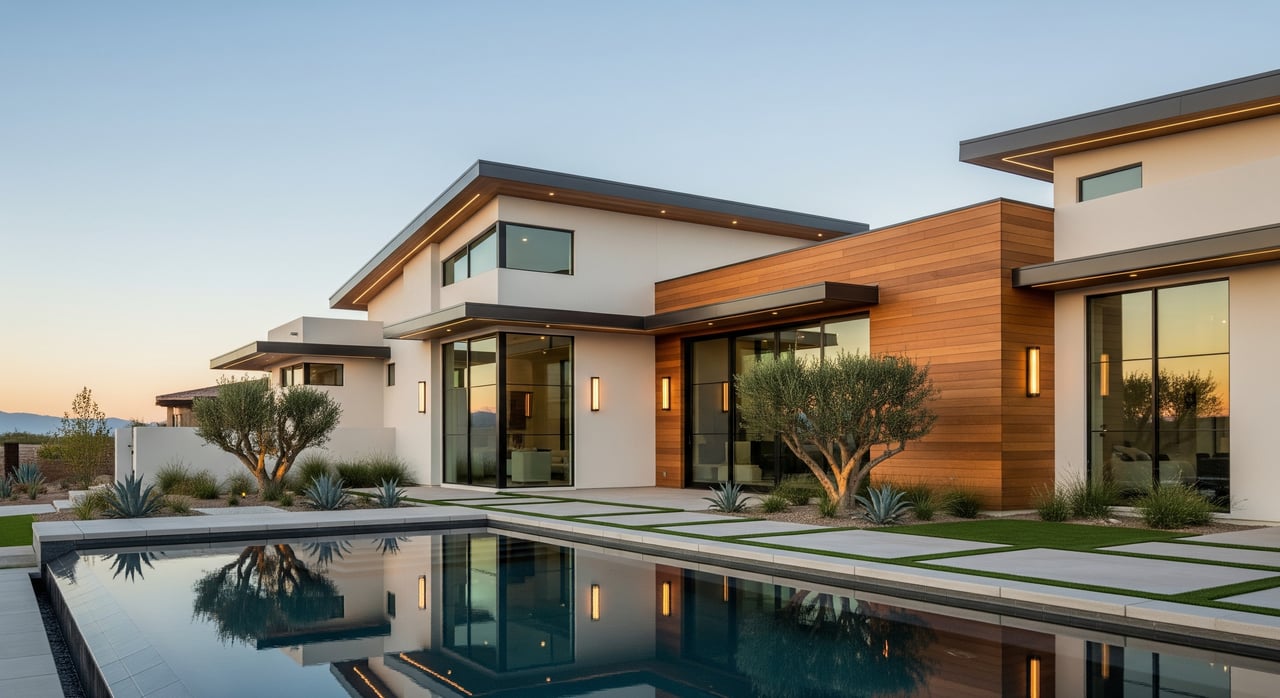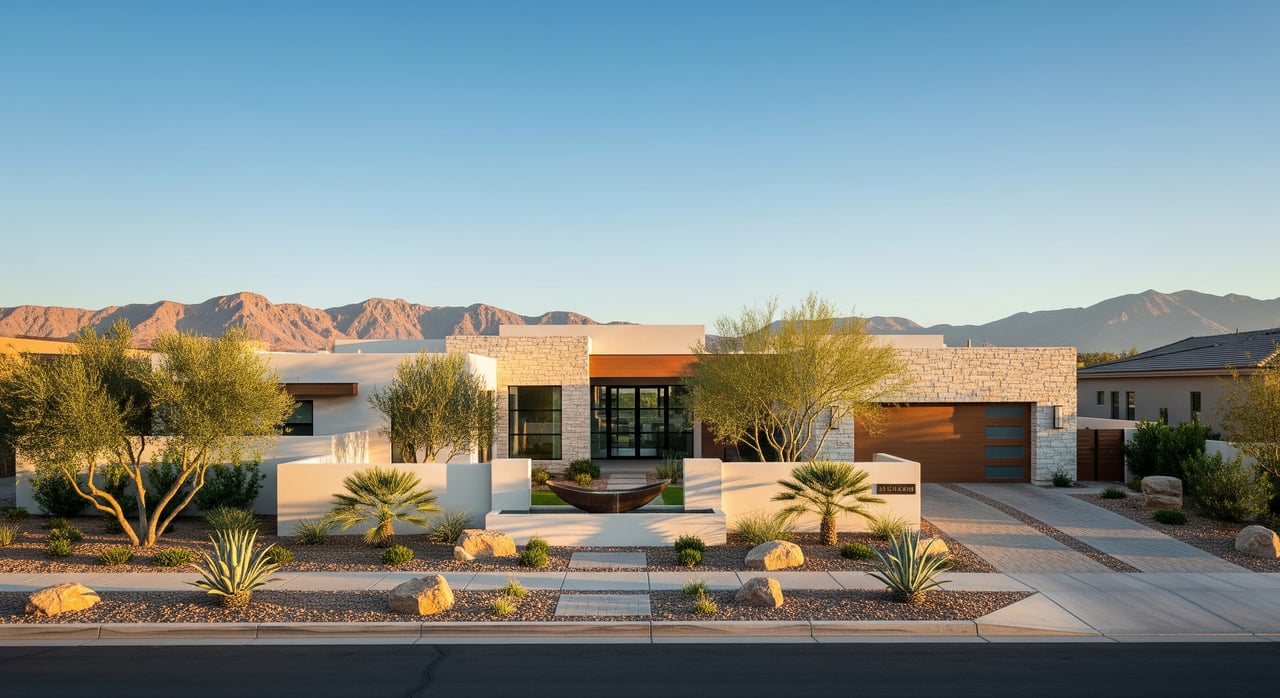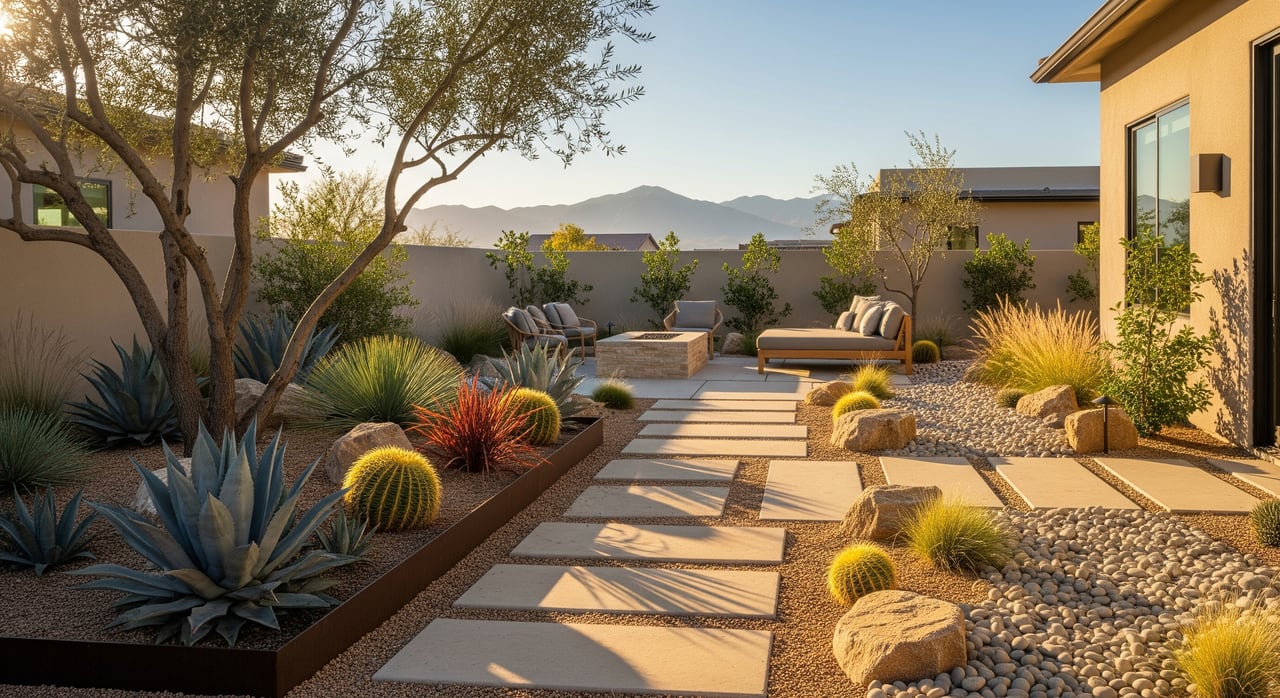
Trying to keep your Henderson backyard beautiful without sky-high water bills? In the Mojave heat, traditional lawns work against the climate. You can design a stylish, low-maintenance outdoor space that fits our desert conditions and boosts curb appeal. In this guide, you will find design-forward xeriscape ideas, Henderson-ready plant lists, and simple irrigation tips to make it all work. Let’s dive in.
Why xeriscape fits Henderson
Henderson sits in the Mojave Desert with long, hot summers and very low rainfall. Most neighborhoods fall in USDA hardiness zones 8b to 9a, so you can expect summer highs well over 100°F and occasional winter freezes. These conditions reward plants and materials that can handle heat, sun, and alkaline soils.
Local agencies promote water-efficient landscapes and seasonal watering schedules. Xeriscape is not zero-water landscaping. It is the smart use of drought-tolerant plants, efficient irrigation, and well-placed hardscape so you use less water while keeping a livable, inviting yard.
Build a plan that works
Read your site
Walk your yard at different times of day. South and west exposures get the most heat. Walls, driveways, and reflective surfaces can intensify afternoon sun. Note slopes and drainage so you can capture rain and prevent erosion during rare heavy storms.
Hydrozoning
Group plants by water needs. Place higher-water plants near patios or entryways where you enjoy them most, and keep very low-water plants together in other areas. Separate these groups into distinct irrigation zones so you do not overwater.
Right plant, right place
Choose species adapted to full sun, high heat, and alkaline soils. Plant sun-lovers in exposed areas and use shade from trees or structures to protect plants that prefer afternoon relief.
Improve soil the right way
Many local soils are alkaline and low in organic matter. Before planting, test the soil structure in your planting areas. Incorporate compost in tree and shrub basins to improve moisture retention and root growth. Avoid deep layers of imported, water-holding soil that can trap moisture and cause drainage issues.
Mulch and groundcover
Use rock mulch like decomposed granite or pea gravel for a clean, desert look. Around plantings, a 2 to 3-inch layer helps reduce evaporation and weeds. Keep mulch a few inches away from stems. In select planting basins, a thin layer of organic mulch can help retain moisture and improve soil over time.
Functional hardscape
Add patios, paths, and seating areas to reduce irrigated square footage and increase usable outdoor living space. Light-colored pavers, permeable surfaces, and shade structures create cooler, comfortable zones.
Low-water lawn options
If you want some “green,” size it intentionally. Consider a small, drought-tolerant turf pocket, artificial turf in limited areas, or a decomposed granite play space. Always confirm HOA guidelines before you install.
Henderson-ready plant palette
Shade trees
- Desert willow (Chilopsis linearis). Small flowering shade tree with low water needs once established. Late spring to summer blooms attract hummingbirds.
- Palo verde (Parkinsonia species). Green trunks, airy canopy, and spring flowers. Low water and good filtered shade.
- Honey mesquite (Prosopis velutina). Deep-rooted and very drought-tolerant with a coarse canopy. Keep clear of hardscape and structures due to roots and pods.
- Mediterranean olive (Olea europaea). Drought-tolerant in well-drained soil. Be mindful of fruit drop in high-traffic areas.
Privacy and structure shrubs
- Texas ranger or Mexican sage (Leucophyllum frutescens). Evergreen with silvery foliage and purple blooms after rain. Reliable hedge with low water needs.
- Hopbush (Dodonaea viscosa). Evergreen, wind-tolerant, and low water. Works well as a screen.
- Brittlebush (Encelia farinosa). Native shrub with bright yellow spring flowers. Very low water once established.
- Rockrose (Cistus species). Mediterranean, drought-tolerant, with spring blooms in sunny, well-drained sites.
Grasses and clumping perennials
- Deer grass (Muhlenbergia rigens). Soft, fountain shape for texture and movement. Low water after establishment.
- Purple fountain grass (Pennisetum setaceum ‘Rubrum’). Dramatic plumes and color. Confirm local guidance on invasiveness and site suitability.
- Red yucca (Hesperaloe parviflora). Coral flower spikes and strappy leaves. Very low water once established.
Succulents and cactus
- Agave species. Bold, architectural accents. Give them room and avoid pathways due to sharp tips.
- Golden barrel cactus (Echinocactus grusonii). Sun-loving, sculptural globes that work well in groups.
- Beavertail prickly pear (Opuntia basilaris). Spring blooms and low water needs. Place away from walkways.
- Sotol or desert spoon (Dasylirion wheeleri). Hardy, long-lived focal plant with fine texture.
Color and groundcovers
- Prostrate rosemary (Salvia rosmarinus ‘Prostratus’). Fragrant, evergreen, and low water.
- California fuchsia (Epilobium species). Summer to fall color and hummingbird friendly.
- Ice plant (Delosperma). Flowering mat-former in sunny spots. Confirm local suitability.
- Native wildflower seed mixes. Seasonal displays with low water after establishment.
Turf alternatives
- Warm-season grasses like Bermuda or buffalo grass. Buffalo grass uses less water but tolerates less wear.
- Artificial turf. Zero irrigation with heat and lifespan tradeoffs.
- Decomposed granite play or patio zones with stepping stones.
Pollinator support
Mix nectar plants such as desert willow and other regional bloomers to support bees, hummingbirds, and beneficial insects.
Design ideas you can copy
Backyard entertainer
Create a shaded dining patio with permeable pavers in a light color. Add a small, defined green zone or a compact artificial turf play patch. Frame the space with raised gravel beds, boulders, and a mix of agave, red yucca, and Texas ranger for structure and bloom.
Small-lot refresh
Install a decomposed granite patio with large, comfortable seating. Use two or three oversized containers planted with agave, aloe, or red yucca on drip. Add one small flowering tree, like desert willow, to anchor the space and improve afternoon comfort.
Family-friendly zone
Swap most lawn for a decomposed granite play area and stepping-stone pathways. Keep a small turf pocket for games or a pet run. Use hopbush or Texas ranger along the fence for privacy, and group deer grass and rosemary for soft edges.
Sloped yard control
Terrace the slope with retaining elements and permeable steps. Plant masses of deer grass and low-water groundcovers to stabilize soil and reduce irrigation needs. Add boulders to slow runoff and create a natural, layered look.
Irrigation that saves water
- Choose drip irrigation for trees, shrubs, and narrow beds to reduce evaporation and target roots.
- Use micro-sprays only where drip cannot provide even coverage, such as certain groundcover areas.
- Install a smart controller that adjusts run times with weather and seasonal changes.
- Include filtration and pressure regulation on drip lines to prevent clogs and ensure consistent flow.
- Water deeply and less often to encourage deep roots, especially for trees and large shrubs.
- Check your system each season for leaks, clogs, and adjustments.
Materials that stay cool and clean
- Decomposed granite and crushed rock give a tidy, modern desert look and reduce weeds. Choose sizes and colors that complement your home’s palette.
- Use light-colored pavers or flagstone to reduce heat. Permeable pavers help manage stormwater and reduce runoff.
- Add boulders and accent stones for year-round structure so you need fewer plants.
- Create shade with pergolas or shade sails to make patios usable during the hottest months.
Artificial turf: where it fits
Artificial turf offers immediate green color and low maintenance. It can get hot in summer and will need eventual replacement. Use it in small, high-use areas like a play strip or dog run, and confirm HOA and local guidelines before installing.
Costs, ROI, and upkeep
Upfront costs vary with plant size, hardscape complexity, and materials. Converting high-water turf to a well-designed xeriscape often reduces outdoor water use and ongoing maintenance. For sellers, a thoughtful desert design with quality materials can lift curb appeal and reduce objections to a no-lawn front yard.
Plan for lower overall maintenance, with focused tasks during the first 1 to 3 years for establishment. Expect occasional pruning, seasonal irrigation checks, and mulch top-ups. Watch for pests linked to overwatering and adjust schedules as seasons change.
Local rules, HOAs, and rebates
Southern Nevada enforces seasonal watering schedules. Before starting a project, review current outdoor watering rules and any rebate programs for turf removal or smart controllers. Check your HOA’s design guidelines for approved rock colors, planting minimums, or lawn rules. For shade structures, retaining walls, and utilities, confirm permit needs and call utility companies before digging.
Quick weekend upgrades
- Replace a section of spray irrigation with drip and add a smart controller.
- Refresh gravel or decomposed granite and create a defined path to the gate.
- Add two boulders as anchors and plant three matching low-water shrubs for rhythm.
- Swap a high-water bed for containers with agave or red yucca on drip.
- Edge a patio with deer grass for movement and quick texture.
A well-planned xeriscape can look refined, cut water use, and feel great year-round in Henderson. Whether you are prepping to sell or customizing a new home, smart plant choices and clean hardscape go a long way toward comfort and curb appeal. If you would like design-forward listing prep, staging guidance, or local vendor ideas tailored to your property, reach out to Andrea Weaver for a friendly, no-pressure consultation.
FAQs
What is xeriscaping in Henderson’s desert climate?
- It is water-efficient landscaping that uses adapted plants, efficient irrigation, mulch, and smart design to reduce water use while keeping outdoor spaces attractive and livable.
Which shade trees handle Henderson heat?
- Desert willow, palo verde, honey mesquite, and Mediterranean olive are commonly used, low-water choices once established when planted in the right locations.
How much water can a turf-to-xeriscape conversion save?
- Savings vary by design, but local programs report substantial reductions in outdoor water use after turf removal and efficient irrigation upgrades.
Do I need a permit for a pergola or retaining wall?
- Some hardscape and shade structures may require permits, so confirm requirements with the City of Henderson before building.
Is artificial turf allowed in Henderson backyards?
- It can be used in many areas, but always check your HOA rules and local guidelines before installing to ensure compliance.
How long do desert plants take to establish?
- Most shrubs and succulents establish in 1 to 3 growing seasons, while trees can take several years to provide meaningful shade.