If you want to start building a rental portfolio in Las Vegas, Spring Valley condos can look like a practical first step. You may be drawn to a lower-maintenance property type, a broad renter base, or a price point that feels more approachable than detached homes. The key is knowing how to screen the right units, read the numbers carefully, and avoid surprises in the HOA documents. Let’s dive in.
Why Spring Valley Fits Rental Investors
Spring Valley is a large planning area in the southwest Las Vegas Valley with major roads, shopping centers, and employment and commercial uses near Highway 215, according to Clark County’s master plan. For you as an investor, that points to a convenience-driven market where access, parking, and everyday functionality can matter as much as finishes.
The renter base is also substantial. Census QuickFacts for Spring Valley shows 215,597 residents and 87,156 households, with a 50.5% owner-occupied rate. That near-even split suggests a market where rentals are a normal part of the housing mix, not a niche segment.
Just as important, attached housing already has a meaningful place here. Clark County’s 2024 occupied housing estimates show 13,455 condominiums and 4,645 townhomes in Spring Valley. Together, condos and townhomes make up about 20% of occupied units, which gives you a clearer signal that this product type is established in the local market.
Why Condos Can Be a Smart Entry Point
For many investors, condos offer a simpler path into rental ownership. In a market like Spring Valley, that can mean access to a property type that already matches what many renters use and expect.
That does not mean every condo will perform well. It means condos are not a fringe asset class in this area, which can help when you are trying to balance purchase price, tenant demand, and future resale options.
Spring Valley also appears to support broad middle-market rental demand rather than only luxury demand. Census data shows a median household income of $74,511 and a median gross rent of $1,743, which points to a large mainstream renter pool. If you are building a portfolio slowly, that can be useful because it may reduce your dependence on a narrow tenant profile.
Start With HOA Rules First
Before you get too far into pricing or projected rent, review the association documents. In condo investing, this step can shape everything from tenant placement to future resale flexibility.
The Nevada Real Estate Division says an association generally cannot prohibit renting or leasing unless the declaration already prohibited it when the owner purchased. The same guidance notes that declarations can set a maximum rental percentage, and that current owners cannot have that percentage reduced out from under them.
For you, that means two practical things:
- Confirm whether rentals are allowed under the declaration
- Check for any rental caps or waitlists
- Review lease term requirements and occupancy rules
- Understand pet, parking, and use restrictions that could affect marketability
A condo with attractive pricing can become much less useful if the governing documents limit your ability to lease it when you want to.
Run the Numbers Conservatively
Spring Valley can make sense as a rental market, but the margin may be tighter than it first appears. That is why your screening process should stay disciplined.
A current Zumper rental snapshot for Spring Valley shows 302 apartments for rent with a median rent of $1,944 per month. At the same time, Census QuickFacts puts median gross rent at $1,743. Those figures are helpful for initial screening, but they are not a substitute for property-level underwriting.
The research report also compares the Census rent figure with Zillow’s typical home value for Spring Valley, which is $420,659 as of March 31, 2026. Using those numbers produces a rough gross rent yield around 5.0%. That is only a broad benchmark, but it does suggest you should be careful once you add HOA dues, taxes, insurance, vacancy, maintenance, and leasing costs.
Here is a simple way to think about it:
- Use market rent as a starting point, not a promise
- Add all monthly ownership costs, especially HOA fees
- Build in vacancy and repair reserves
- Stress test your numbers if rent comes in below target
- Consider your exit strategy before you buy
If a condo only works with optimistic rent assumptions, it may not be the right foundation for a long-term portfolio.
Focus on Features Renters Actually Notice
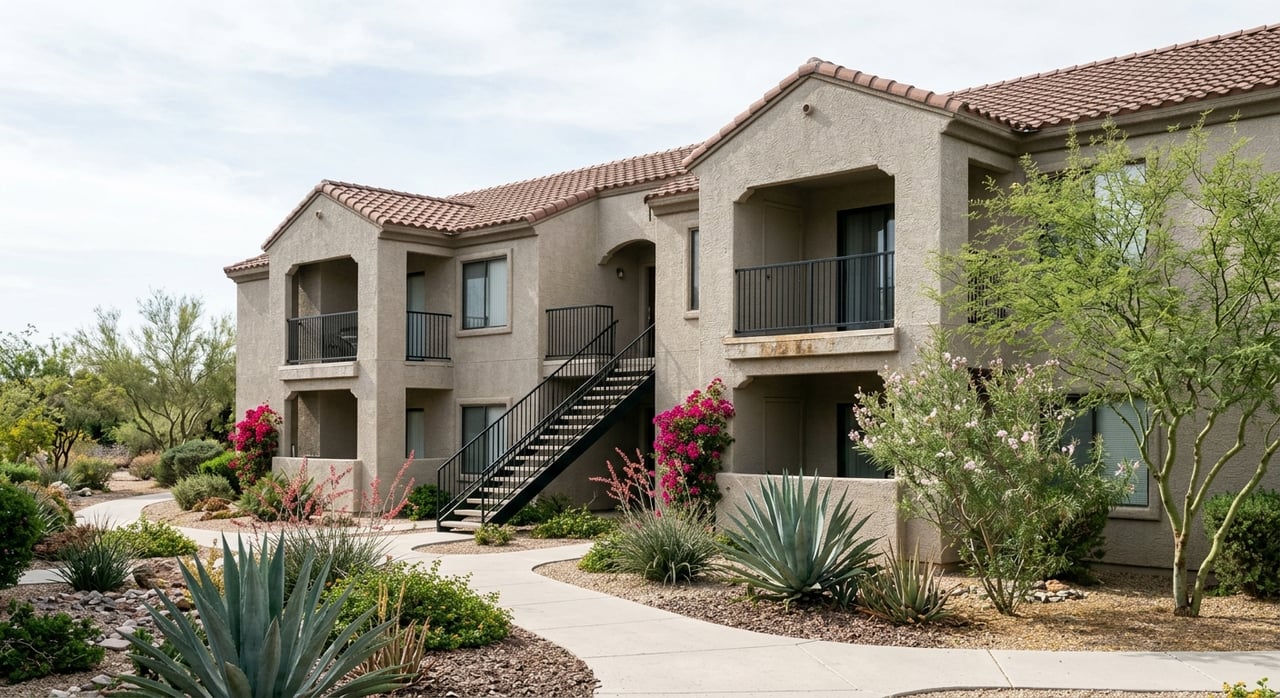
In Spring Valley, practical amenities appear to matter. The active listings on Zumper repeatedly highlight garage parking, in-unit laundry, air conditioning, balconies, swimming pools, and pet-friendly policies.
That matters because Spring Valley is shaped by major roads and convenience-oriented retail patterns rather than a dense urban core. Based on the area’s layout and a 22.5-minute average commute reported by the Census, renters may pay close attention to how easy the unit is to live in day to day.
When you compare condos, pay attention to features that support everyday use:
- Covered or garage parking
- In-unit laundry
- Functional storage
- A practical floor plan
- Reliable air conditioning
- Outdoor space such as a balcony or patio
- HOA amenities that tenants may actually use
You do not always need the most upgraded unit in the complex. Often, the easier-to-rent property is the one that feels clean, efficient, and convenient.
Match the Unit to Local Demand
Spring Valley households average 2.51 persons, and the area includes both family households and single-person households, according to Census QuickFacts. That makes a range of floor plans relevant, from one-bedroom units to larger two- and three-bedroom layouts.
Current rental inventory also spans studios through three-bedroom units, which reinforces that renters are looking for different price points and living arrangements. If you are deciding between layouts, think about flexibility. A unit with a workable second bedroom or a small area for remote work may appeal to more applicants than a larger unit with a less functional design.
The same Census data shows high digital connectivity, with 97.6% of households having a computer and 93.0% having broadband. That suggests internet access and clear leasing communication can be important in this market. Cosmetic upgrades help, but usability still carries real weight.
Think About Resale Before You Buy
A strong rental purchase should still make sense when it is time to sell. That is especially true in Spring Valley, where owner-occupied and renter-occupied housing are relatively balanced.
Buying a condo that could also appeal to future owner-occupants may help your liquidity later. According to Zillow, the typical home value in Spring Valley was down 3.7% year over year as of March 31, 2026, and homes were going to pending in about 49 days. Those figures are a reminder that monthly cash flow is only one part of the decision.
As you screen opportunities, ask yourself:
- Would this unit still appeal to a non-investor buyer later?
- Are the HOA rules likely to narrow the resale pool?
- Is the location convenient for day-to-day errands and commuting routes?
- Does the floor plan have broad appeal?
The best first rental is often the one that gives you more than one exit path.
A Practical Condo Strategy for Spring Valley
If you want to use Spring Valley condos to build a rental portfolio, think in stages. Start with properties that are easy to understand, easy to lease, and easier to resell.
A practical approach may look like this:
- Screen communities for rental rules before touring units
- Compare real monthly carrying costs, not just list prices
- Prioritize functional amenities over flashy upgrades
- Choose layouts that fit broad renter demand
- Keep resale flexibility in mind from day one
That kind of measured strategy can help you avoid buying a condo that looks good on paper but becomes difficult to lease or sell.
If you are weighing Spring Valley condos as part of a rental plan, working with an agent who understands both tenant appeal and resale positioning can save you time and reduce risk. Andrea Weaver helps buyers, sellers, landlords, and relocating clients navigate the Las Vegas market with a polished, hands-on approach and practical local insight.
FAQs
How common are condos and townhomes in Spring Valley for rental investors?
- Clark County’s 2024 estimates show 13,455 condominiums and 4,645 townhomes in Spring Valley, or about 20% of occupied units combined.
Can an HOA stop condo rentals in Spring Valley, Nevada?
- Nevada’s Real Estate Division says an association generally cannot prohibit renting unless the declaration already prohibited it at the time of purchase, but rental caps and other leasing rules can still apply.
What rent-related numbers should you review for Spring Valley condos?
- A useful starting point is the Census median gross rent of $1,743 and Zumper’s median asking rent of $1,944, then compare those figures against your full monthly ownership costs.
What condo features seem most marketable to Spring Valley renters?
- Current listings commonly highlight garage parking, in-unit laundry, air conditioning, balconies, pools, and pet-friendly policies.
Why does resale matter when buying a Spring Valley rental condo?
- Resale matters because your long-term return is shaped by both rental income and future liquidity, especially in a market where owner-occupied and renter-occupied housing are fairly balanced.